Drug DUI in California
Arrested for driving under the influence of drugs in Sacramento? Call us for a FREE and confidential consultation.
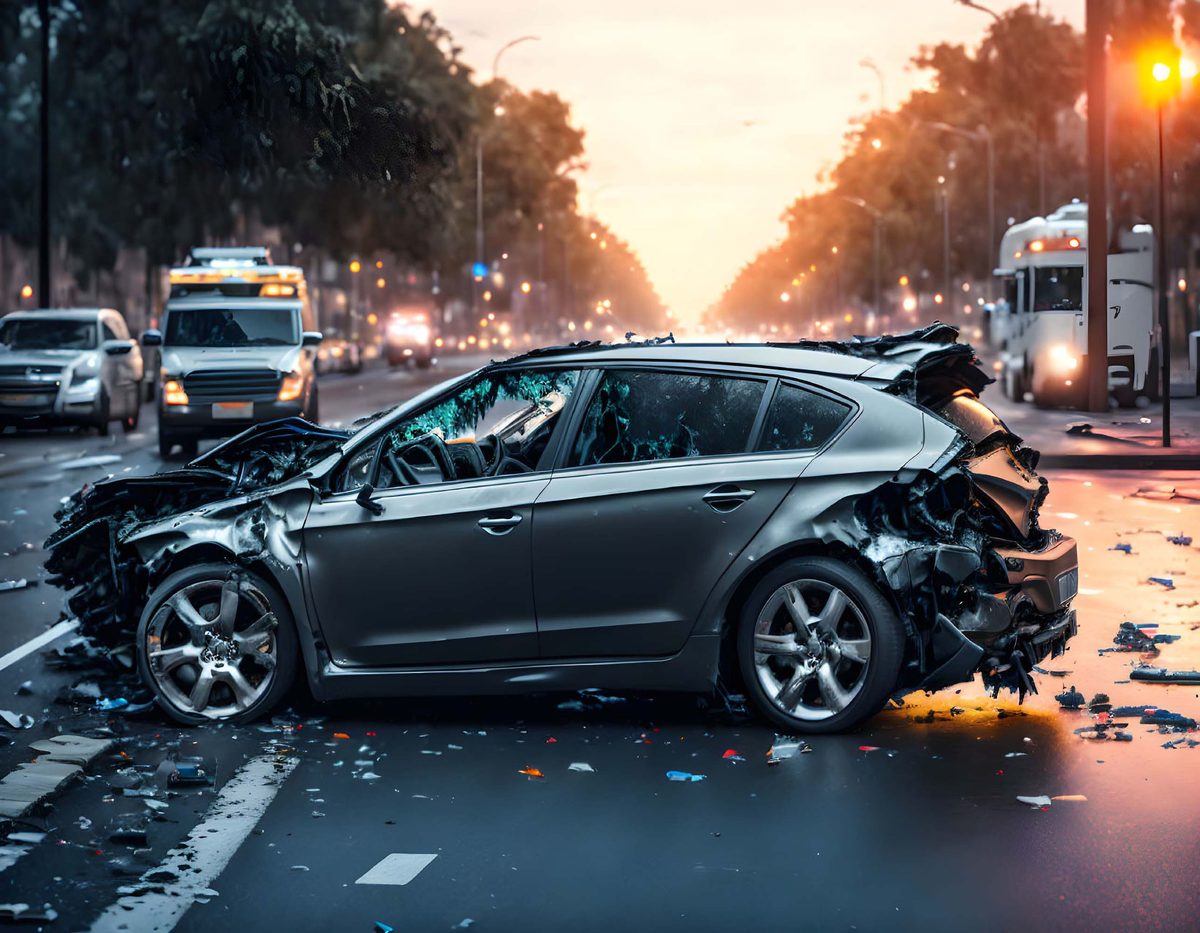
How does a drug DUI work under California law?
A drug DUI in California can leave you facing criminal charges even when your breath test shows no alcohol. If you were arrested for suspected drug-impaired driving in Sacramento County, you may be wondering whether a positive blood test is enough to prove the case. California law prohibits driving while impaired by cannabis, prescription medication, illegal drugs or certain over-the-counter medicines. However, finding a drug in someone’s bloodstream does not automatically establish that the person was impaired while driving.
Drug DUI cases differ from alcohol DUI cases in several ways. California has no fixed legal limit for THC or other drugs comparable to the standard 0.08 percent blood alcohol limit. Instead, prosecutors generally rely on driving behavior, officer observations, drug recognition evaluations and laboratory findings. The relationship between those pieces of evidence can become central to the case.
Sacramento drug DUI investigations may involve several law enforcement agencies, the Sacramento County District Attorney’s forensic laboratory and the Sacramento Superior Court. Understanding how these parts of the process work can help you identify the questions that deserve attention. If you are facing charges, our Sacramento DUI defense attorneys can review the circumstances of your arrest and explain your options during a free, confidential consultation.
Key facts about California drug DUI charges
- Vehicle Code 23152(f) prohibits driving under the influence of any drug, while 23152(g) addresses the combined influence of alcohol and drugs.
- Impairment is the central issue. The presence of a drug does not, by itself, prove that it affected the person’s ability to drive.
- California has no fixed THC limit. Unlike alcohol DUI charges based on a prohibited blood alcohol concentration, drug DUI cases generally require evidence of impairment.
- Legal medication can still lead to charges. A valid prescription or medical cannabis recommendation does not automatically provide a defense.
- Drug recognition evaluations can be questioned. An evaluator’s opinion is not the same as a laboratory finding.
- Drug-only DUI arrests have different DMV rules. A drug-only arrest generally does not trigger the immediate Administrative Per Se suspension associated with qualifying alcohol-related arrests, although a chemical-test refusal can result in separate action.
- Drug DUI charges may be filed after an investigation. Prosecutors sometimes review toxicology results before deciding whether to file a criminal complaint.
What California laws apply to drug DUI charges?
The primary DUI offenses appear in California Vehicle Code section 23152. Different subdivisions address alcohol impairment, drug impairment and driving under the combined influence of alcohol and drugs.
- Vehicle Code 23152(f). Makes it unlawful for a person under the influence of any drug to drive a vehicle.
- Vehicle Code 23152(g). Prohibits driving under the combined influence of alcohol and a drug.
- Vehicle Code 23152(c). Addresses driving while addicted to a drug. This is a separate offense that does not require proof of impairment during the drive and includes a statutory exception for participation in an approved narcotic treatment program.
- Vehicle Code 23152(a). Prohibits driving under the influence of alcohol.
- Vehicle Code 23152(b). Establishes the 0.08 percent blood alcohol limit for most adult drivers.
The charge matters because each offense has its own requirements. In a prosecution under section 23152(f), the government must establish that the accused drove a vehicle while under the influence of a drug. A positive toxicology result is relevant, but the prosecution must also prove the required impairment.
Drug DUI charges involving injuries
When another person suffers bodily injury, prosecutors may consider charges under Vehicle Code section 23153. Subdivision (f) addresses driving under the influence of drugs and subdivision (g) covers the combined influence of alcohol and drugs.
These offenses require more than proof that a collision occurred. The prosecution must establish that the driver was impaired, committed an unlawful act or neglected a legal duty while driving, and that the act or failure caused bodily injury to another person. Depending on the circumstances and the driver’s record, these charges may be prosecuted as misdemeanors or felonies.
What does under the influence mean in a drug DUI case?
California law does not require someone to be unconscious, unable to walk or visibly intoxicated before a drug DUI charge can apply. The question is whether a drug impaired the person’s mental or physical abilities enough to affect the ability to drive.
California Criminal Jury Instruction CALCRIM No. 2110 explains that a person is under the influence when the effects of alcohol or drugs impair their abilities so much that they can no longer drive with the caution of a sober person using ordinary care under similar circumstances.
This standard also means that red eyes, nervous behavior or difficulty answering questions do not automatically establish impairment. Fatigue, allergies, anxiety and medical conditions can produce some of the same signs. Officers may consider these observations during an investigation, but the prosecution must establish the offense using the evidence as a whole.
What prosecutors must prove
For a drug-only DUI charge under section 23152(f), the prosecution must prove beyond a reasonable doubt that the defendant drove a vehicle and was under the influence of a drug when driving. In combined-influence cases, the prosecution must establish impairment from alcohol and drugs together.
Evidence used to support these allegations may include:
- Driving behavior before the traffic stop
- Dash camera and body camera recordings
- Statements made during the investigation
- Field sobriety test performance
- Physical signs recorded by officers
- Drug recognition evaluator findings
- Blood or urine toxicology reports
- Witness statements and collision evidence
- Medical records and prescription information
The evidence does not always point to a single explanation. A driver might perform poorly on a balance test because of a physical limitation. Another person may have a measurable drug concentration without showing signs that the substance impaired their driving at the time of the stop.
How the evidence fits together is often more significant than any one observation or test result.
Why is there no legal limit for drugs in California?
Alcohol DUI prosecutions can involve numerical blood alcohol limits. California has not adopted an equivalent per se concentration limit for THC or other drugs under its general drug DUI law.
The California Highway Patrol’s Impaired Driving Task Force examined whether California should establish such limits. Its 2020 report recommended against adopting per se limits for drugs because the available research did not support reliable numerical thresholds for impairment.
Unlike alcohol, drug concentrations can have different relationships to impairment depending on the substance and the person using it. Some drugs remain detectable after their noticeable effects have passed. Others can affect coordination or judgment at concentrations that are difficult to interpret without additional information.
Why drug levels can be difficult to interpret
- People may respond differently to the same amount of a drug.
- Regular users can have detectable drug concentrations without obvious signs of impairment.
- Some substances remain in the body after their effects diminish.
- The relationship between blood concentration and impairment varies by substance.
- Alcohol and multiple medications can have combined effects that differ from those of a single substance.
- The concentration measured during testing may differ from the concentration present while driving.
A blood test can provide important evidence about drug presence and concentration. However, it does not directly measure a driver’s judgment, attention or reaction time during an earlier trip.
How does marijuana affect a drug DUI case?
Adults 21 and older may legally purchase and use cannabis in California, subject to state restrictions. Driving while impaired by marijuana remains illegal.
THC can remain detectable after the effects of cannabis have diminished. The length of detection depends on several factors, including frequency of use, metabolism, the type of test and the testing method. A positive result does not necessarily establish when cannabis was consumed or how it affected the person’s driving.
THC in the bloodstream and evidence of impairment
A blood sample may contain THC or related compounds even when the person no longer feels the effects of cannabis. This can be particularly relevant for frequent users.
However, the presence of THC is still evidence that prosecutors may use alongside driving behavior, officer observations and other findings. A defense review may examine whether the prosecution has established impairment rather than simply recent or previous cannabis consumption.
Marijuana edibles and delayed effects
Edible cannabis products generally take longer to produce noticeable effects than smoked or inhaled cannabis. The effects may begin after 30 minutes to two hours or longer, depending on the person, product and circumstances. They can also last considerably longer.
That timing can become significant in a DUI investigation. Someone who consumed an edible before driving may experience changes in drug concentration between the traffic stop and the blood draw. Alternatively, a person may test positive after the most noticeable effects have passed.
The time of consumption, the time of driving and the time of chemical testing can all influence how toxicology results should be interpreted.
Medical marijuana recommendations
A medical marijuana recommendation does not provide immunity from impaired driving charges. California Vehicle Code section 23630 states that a legal right to use a drug is not a defense to driving under the influence.
Medical authorization may explain why someone uses cannabis, but the prosecution must still establish the elements of the charged offense. Legal possession and impaired driving are separate questions under California law.
Open cannabis containers in vehicles
California also restricts possessing open or unsealed cannabis containers in certain areas of a motor vehicle. Violating those rules can lead to a separate citation even when officers do not establish drug impairment.
Finding cannabis inside a vehicle does not, by itself, show when the driver last consumed it. The location of the product, its condition and other evidence may affect the investigation.
Can prescription or over-the-counter medication cause a DUI?
Yes. California’s drug DUI laws can apply to medications that a healthcare provider legally prescribed. The issue is whether the medication impaired the person’s ability to drive, not whether the person obtained it lawfully.
Some medications can cause drowsiness, dizziness, slower reaction times or problems with coordination. Their effects can vary depending on the dose, a person’s medical history and whether other substances were involved.
Medications that may be examined during a drug DUI investigation include:
- Prescription sleep medications
- Certain anxiety medications and sedatives
- Opioid pain medications
- Muscle relaxants
- Some medications used to treat seizure disorders
- Older antihistamines found in certain allergy and motion sickness products
- Some over-the-counter cold and sleep medicines
Taking one of these medications does not automatically mean someone was impaired. Many people use prescribed medicines regularly without experiencing driving-related side effects. The prosecution must still establish impairment under the applicable law.
What if you took the medication exactly as prescribed?
Following a doctor’s instructions does not automatically defeat a drug DUI charge. However, the prescribed dose, treatment history and known side effects may help explain the circumstances.
For example, a recent dosage change could be relevant to the person’s condition during the traffic stop. An unrelated medical issue might also account for symptoms that an officer interpreted as drug impairment.
A defense attorney may review the medication information alongside the officer’s observations and the toxicology findings. The value of that evidence depends on the circumstances.
Prescription and pharmacy records to preserve
If medication is involved in your case, keep records that may help establish when and how it was used. Useful documents can include prescription labels, pharmacy records, dosing instructions and information about recent medication changes.
It can also help to write down which medications you took on the day of the arrest and approximately when you took them. Include over-the-counter medications and supplements.
Because medical records contain private information, discuss them with your attorney before sharing them outside the defense team. Your lawyer can determine which records are relevant to the case.
How do combined alcohol and drug DUI cases work?
Vehicle Code section 23152(g) prohibits driving under the combined influence of alcohol and a drug. A person can face this charge even when their blood alcohol concentration is below 0.08 percent.
Consider a driver whose breath test shows a blood alcohol concentration of 0.04 percent. If an officer observes signs of impairment that appear inconsistent with that result, the officer may investigate whether medication or another drug contributed to the person’s condition.
Prosecutors may then argue that alcohol and the drug together impaired the person’s ability to drive. The evidence must support that allegation rather than simply establish that both substances were present.
Evidence in combined-influence cases
- Breath or blood alcohol test results
- Toxicology findings showing one or more drugs
- Officer observations during the stop
- Field sobriety test performance
- A drug recognition evaluation, if performed
- Statements about alcohol consumption or medication use
- Video footage and witness testimony
A low alcohol result combined with a positive drug screen does not automatically establish impairment. The prosecution must prove that the combined influence affected the driver’s abilities under the legal standard.
How do officers investigate a drug DUI in Sacramento County?
A drug DUI investigation often begins with a traffic stop, a collision or a report from another motorist. An officer might notice a vehicle weaving, failing to signal or driving unusually slowly. Other investigations begin when officers contact someone asleep in a parked vehicle or stopped at a traffic light.
Several law enforcement agencies handle DUI investigations throughout Sacramento County. The California Highway Patrol commonly responds to incidents on Interstate 5, Interstate 80, the Capital City Freeway, Highway 50 and Highway 99.
The Sacramento Police Department handles traffic enforcement within city limits, including downtown, Midtown, Natomas and South Sacramento. The Sacramento County Sheriff’s Office serves unincorporated communities such as Arden Arcade, Carmichael and North Highlands.
Elk Grove, Folsom and Citrus Heights have municipal police departments. Rancho Cordova receives police services through its department’s contract with the Sacramento County Sheriff’s Office. Procedures can vary by agency, but the underlying California DUI laws remain the same.
What officers look for during a traffic stop
During the initial encounter, an officer may observe a driver’s speech, eye appearance, coordination and ability to answer questions. The officer may ask about alcohol consumption, marijuana use, prescription medications and medical conditions.
Some investigations include standardized field sobriety tests. The familiar exercises include the horizontal gaze nystagmus test, walk-and-turn test and one-leg stand test.
These standardized tests were originally developed primarily for alcohol impairment investigations. Their interpretation in drug-related cases may involve additional questions. Uneven pavement, poor lighting, footwear, injuries and physical limitations can also affect certain test performances.
Our article about field sobriety tests in Sacramento explains how officers administer these exercises and what issues can arise when their results are used in court.
When a breath test shows little or no alcohol
A breath alcohol test does not detect THC or most other drugs. When the result shows little or no alcohol but officers continue to suspect impairment, they may investigate possible drug involvement.
Depending on the circumstances, an officer may request assistance from a drug recognition evaluator. Chemical testing may also become part of the investigation after a lawful arrest.
What is a drug recognition evaluation?
Some law enforcement officers receive additional training as drug recognition evaluators, commonly called DREs. The program uses a standardized 12-step evaluation developed through the International Association of Chiefs of Police and the National Highway Traffic Safety Administration.
In California, the Highway Patrol coordinates the Drug Evaluation and Classification Program. Certified evaluators use a series of observations and examinations to help identify signs associated with different categories of drugs.
Depending on the circumstances, the evaluation may include:
- A breath alcohol test
- An interview with the arresting officer
- Eye examinations
- Divided-attention and balance tests
- Pulse and blood pressure measurements
- Body temperature readings
- Examination of pupil size under different lighting conditions
- Muscle tone assessment
- Examination for injection sites
- Questions about medical conditions and substance use
- An opinion about possible drug categories
- Toxicology testing as part of the overall evaluation process
The evaluator may identify signs associated with cannabis, central nervous system depressants, stimulants, narcotic analgesics or other drug categories.
Can a DRE determine exactly what drug someone took?
A DRE evaluation does not directly measure the amount of a drug in someone’s body. The evaluator provides an opinion based on physical observations, test performance and other information collected during the examination.
A toxicology report may later confirm the presence of a substance. However, the laboratory result and the evaluator’s opinion address different questions.
For example, an evaluator might identify signs associated with one category of drugs while laboratory testing detects substances from another. Such differences do not automatically invalidate the evaluation, but they may warrant closer examination.
Questions about DRE procedures and findings
A defense review may examine whether the evaluator completed the applicable steps, documented observations accurately and considered possible medical explanations.
Questions can include whether lighting conditions were suitable, whether the person had physical limitations and whether the examination findings agree with the toxicology results.
A DRE opinion is evidence that can be considered and questioned. It does not eliminate the prosecution’s obligation to prove impairment beyond a reasonable doubt.
How do blood and urine tests work after a drug DUI arrest?
Chemical testing frequently plays a major role in drug DUI investigations. California Vehicle Code section 23612 establishes implied consent requirements and procedures for testing after a lawful DUI arrest.
Under Vehicle Code section 23612, a person lawfully arrested for DUI generally has a choice between blood and breath testing. However, breath testing measures alcohol rather than drug content.
If a driver chooses a breath test, an officer may require an additional blood test when the statutory conditions are satisfied. The officer must have reasonable cause to believe the person was driving under the influence of a drug or alcohol and a drug together, as well as reasonable cause to believe the blood test will reveal evidence of that influence.
The officer must document the facts supporting those beliefs and advise the driver of the additional testing requirement. Urine testing may apply in certain circumstances, including when a required blood test is unavailable or cannot be completed as specified by law.
Required chemical testing and search authority
California’s implied consent requirements and the constitutional rules governing blood collection are related but distinct. Officers must have lawful authority to obtain a blood sample.
A voluntary blood draw may proceed with valid consent. When a person refuses and officers seek a nonconsensual sample, a warrant or a recognized exception to the warrant requirement may be necessary.
Whether officers followed the applicable testing and search requirements can be relevant when a defense attorney reviews the evidence.
Where are blood samples collected in Sacramento drug DUI cases?
Sacramento Police Department procedures provide useful information about local chemical testing. The department updated General Order 522.04, Chemical Testing of Arrestees, on October 7, 2026.
The current order directs officers to make every reasonable attempt to complete DUI chemical testing within three hours of driving. That is a departmental testing goal, not a rule that automatically invalidates a sample collected later.
For a blood draw, the order directs officers to request an on-call phlebotomist. When a driver is at a hospital and officers cannot wait for the phlebotomist, they may ask hospital personnel to collect an evidentiary sample in accordance with the hospital’s procedures.
The policy also addresses labeling, sealing and storing blood evidence. It directs officers to place collected blood evidence in secured containers maintained at the Sacramento County Main Jail.
Blood draws involving search warrants
When a person refuses chemical testing and officers seek a nonconsensual blood sample, the Sacramento Police Department’s October 2026 policy outlines additional procedures. These include evaluating the legal authority for the draw and obtaining a warrant when required.
The policy identifies a designated nonconsensual blood-draw location on Richards Boulevard. It also addresses documentation, medical screening and recording requirements.
These procedures do not mean every drug DUI blood draw occurs at the Main Jail or the Richards Boulevard facility. The location depends on the circumstances and the agency handling the investigation. CHP officers, sheriff’s deputies and municipal police departments may follow different departmental procedures.
The Sacramento Police Department publishes its current general orders through its Policy and Procedures page.
Where does Sacramento County test drug DUI blood samples?
The Sacramento County District Attorney’s Laboratory of Forensic Services provides forensic testing for local criminal investigations. Its toxicology section analyzes biological samples for drugs, including substances that may impair driving.
The laboratory receives samples associated with suspected drug-impaired driving and other criminal investigations. According to the District Attorney’s published toxicology information, the section analyzes approximately 5,000 cases annually.
The laboratory uses screening methods to identify possible drug classes and additional instrumental testing to confirm specific substances. Published procedures describe techniques such as gas chromatography mass spectrometry and liquid chromatography mass spectrometry.
These methods help identify drugs in biological samples. However, identifying a substance is not the same as determining the degree of driving impairment at an earlier time.
Why the complete laboratory file matters
A defense attorney may request more than the final toxicology summary. Depending on the case, relevant records can include analytical data, testing procedures, quality-control information, calibration records and notes from the laboratory personnel involved.
The records may help establish what substances were tested for, how the results were confirmed and whether any issues arose during the analysis.
Because the laboratory operates within the District Attorney’s Office, its findings may become part of the evidence presented by prosecutors. The defense can examine the methods and conclusions through the normal criminal discovery and evidentiary process.
The Sacramento County District Attorney’s toxicology information provides further details about the laboratory’s work.
Why timing and chain of custody matter in drug DUI testing
Drug concentrations change as the body absorbs and processes a substance. The time between driving and blood collection can affect how the laboratory result should be interpreted.
A sample collected two or three hours after a traffic stop may not contain the same drug concentration that was present when the person was driving. The direction and significance of that change depend on the substance and other circumstances.
Timing of the blood draw
A defense review may compare the reported time of driving with the time of the arrest, the time testing was requested and the time the sample was collected.
When the prosecution relies on a chemical result to support impairment, an attorney may examine whether the timing affects the conclusion. In some cases, toxicology testimony may be necessary to explain the limitations of the result.
Collection and chain of custody
The chain of custody documents how evidence moves from collection through storage, laboratory analysis and eventual use in court.
Blood evidence records may identify who collected the sample, where it was collected, when it was sealed and who handled it afterward.
Missing or inconsistent records do not automatically make the result inadmissible. However, questions about sample identification, handling or storage may affect the reliability or weight of the evidence.
What a negative toxicology result means
A negative laboratory result may be significant in a drug DUI case. Its meaning depends on which substances the laboratory tested for and the methods used.
Not every toxicology panel includes every drug. Some substances require specialized testing, and the absence of a detected drug does not necessarily answer every question about the person’s condition.
Reviewing the full laboratory report can help determine what the negative result establishes and what limitations remain.
What happens if you refuse a chemical test?
Refusing a required chemical test after a lawful DUI arrest can create consequences separate from the impairment charge. California’s implied consent law establishes administrative penalties for qualifying refusals.
For a driver age 21 or older with no qualifying prior offenses, a first refusal can result in a one-year driver’s license suspension. Certain prior convictions or administrative actions can lead to longer revocations.
A refusal may also become evidence in a criminal case, subject to the applicable legal requirements. Whether an alleged refusal qualifies depends on the circumstances, including the officer’s instructions, required warnings and the person’s response.
Roadside field sobriety tests are different
Declining a roadside field sobriety exercise is not the same as refusing a required post-arrest chemical test. Different rules apply to the two situations.
A preliminary roadside breath screening test is also distinct from the evidentiary chemical testing required after a lawful arrest. Completing a roadside screening test generally does not satisfy a later post-arrest testing obligation.
The circumstances of the request, the driver’s age and the applicable testing rules must be considered before determining whether a refusal carries administrative consequences.
Will the DMV suspend your license after a drug DUI arrest?
This is one of the most significant differences between drug-only DUI cases and many alcohol-related DUI cases in California.
The California Department of Motor Vehicles explains that an arrest involving only drugs generally does not result in an immediate Administrative Per Se license suspension based solely on the arrest. Instead, the DMV ordinarily suspends or revokes driving privileges after receiving notice of a qualifying conviction.
However, a chemical-test refusal can trigger a separate administrative suspension or revocation. A qualifying alcohol-related test result can also create an independent basis for DMV action.
The distinction is explained in the California DMV’s drug-only DUI information sheet.
When does the 10-day DMV hearing deadline apply?
When an Administrative Per Se suspension or revocation applies, a driver generally has 10 days after receiving the notice to request a DMV hearing.
This deadline should not be assumed to apply automatically to every drug-only DUI arrest. The circumstances of the arrest, chemical testing and DMV paperwork determine whether the administrative process is involved.
If an officer took your license or gave you a pink notice of suspension or revocation, have the documents reviewed promptly. Missing an applicable hearing deadline can limit your opportunity to challenge the action.
Our article about Sacramento DMV license hearings explains the administrative process and how it differs from the criminal court case.
License consequences after a drug DUI conviction
A drug DUI conviction can result in license suspension or revocation even when no immediate administrative suspension occurred after the arrest.
The length of the action depends on the offense, the driver’s prior record and other circumstances. Certain drivers may qualify for restricted driving privileges after meeting DMV requirements.
Depending on the type of restriction, the requirements may include DUI program enrollment, proof of financial responsibility through an SR-22 filing and other conditions. Ignition interlock device rules may also apply in qualifying cases.
Eligibility varies. A person should not assume that every restricted license option is available after a drug DUI conviction.
How does a collision change a drug DUI investigation?
A drug DUI case involving a collision can raise questions that do not arise during an ordinary traffic stop. Investigators may examine vehicle damage, roadway conditions, witness accounts and the sequence of events before the crash.
When another person is injured, prosecutors may consider charges under Vehicle Code section 23153. In those cases, the prosecution must address both the alleged impairment and the driver’s conduct that caused the injury.
Injuries that resemble signs of impairment
Confusion, slow speech, dizziness and poor balance can result from injuries sustained in a collision. A driver who has just been involved in a crash on Highway 50 or Interstate 80 may appear disoriented for reasons unrelated to drug consumption.
Emergency medical records, paramedic observations and body camera footage may help establish the person’s condition after the crash.
Medical evidence does not automatically rule out drug impairment, but it can provide context for observations made shortly after a collision.
Hospital blood tests and police blood tests
Drivers injured in Sacramento County collisions may receive treatment at facilities such as UC Davis Medical Center, Sutter Medical Center Sacramento or Kaiser Permanente South Sacramento Medical Center.
Hospital staff may collect blood for medical treatment. Police may also obtain a separate forensic sample through a lawful testing procedure.
These samples can be collected at different times and tested for different purposes. Medical laboratory results and forensic toxicology reports are not necessarily interchangeable.
A defense attorney may need to determine which sample the prosecution intends to rely on and how it was collected and analyzed.
Collision reconstruction and causation
When injuries occur, investigators may reconstruct the collision to examine speed, vehicle positioning, visibility and roadway conditions.
A collision alone does not establish that a drug caused it. For a DUI causing injury charge under section 23153, the prosecution must prove the required connection between the driver’s unlawful act or failure to perform a legal duty and the resulting bodily injury.
Where are drug DUI cases heard in Sacramento County?
Drug DUI cases arising in Sacramento County are handled through the Sacramento County Superior Court system. In April 2026, the court moved its downtown criminal operations to the new Tani G. Cantil-Sakauye Sacramento County Courthouse.
The courthouse is located at 500 G Street in the Sacramento Railyards. The public entrance is near the intersection of Fifth Street and G Street. The new facility replaced operations previously housed at the Gordon D. Schaber Courthouse and the Hall of Justice.
Our office at 917 G Street is within walking distance of the new courthouse.
Before attending a hearing, confirm the assigned courthouse, department and time using your official court documents. Not every criminal matter is necessarily assigned to the same facility.
The Sacramento Superior Court Criminal Division provides current court information and access to its criminal case records system.
Drug DUI arrests in Elk Grove, Folsom and Rancho Cordova
Cases arising in Elk Grove, Folsom, Citrus Heights, Rancho Cordova and unincorporated Sacramento County generally proceed through Sacramento County Superior Court.
County boundaries matter. A DUI arrest in West Sacramento generally falls within Yolo County, while a stop in Roseville or Granite Bay falls within Placer County.
The county where the alleged offense occurred can affect court assignments, local procedures and the prosecuting agency.
Why drug DUI charges may be filed weeks after an arrest
Some drug DUI investigations remain open while toxicology results are pending. Prosecutors may review the laboratory findings, police reports and other evidence before deciding whether criminal charges are warranted.
As a result, a person may be released after an arrest without knowing whether a complaint will be filed. The timing varies according to the investigation and laboratory workload.
A delay does not automatically mean the case has been dismissed. Keep your arrest paperwork, maintain current contact information and watch for official court notices.
An attorney can help determine whether charges have been filed and whether any upcoming court dates require attention.
What are the penalties for a drug DUI in California?
Drug DUI penalties generally follow the same sentencing framework as alcohol DUI offenses. The consequences depend on the charge, prior convictions, injuries and other legally relevant circumstances.
Possible penalties include:
- Criminal fines and court assessments
- Probation with specific conditions
- Participation in a court-approved DUI program
- Driver’s license suspension or revocation
- Restrictions on driving privileges
- Jail or other custody-related penalties
- Additional penalties for qualifying repeat offenses
A first drug DUI without injuries is generally prosecuted as a misdemeanor. Certain prior DUI convictions, qualifying felony history or an offense involving injuries can increase the potential consequences.
The precise sentencing range must be determined from the applicable statute and the facts of the case.
Commercial drivers and employment consequences
A drug DUI can create added concerns for people who drive commercially. Commercial driver’s license holders may face licensing actions that affect their ability to work, even when the criminal case involves a personal vehicle.
Federal transportation regulations and employer policies can create separate employment consequences. These rules differ from the general California standard for drug-impaired driving.
Our page about felony and commercial DUI charges addresses several circumstances that can make these cases more serious.
Drivers under 21
California has separate alcohol-related restrictions for drivers younger than 21. Those provisions do not establish a general numerical THC limit for young drivers.
However, drivers under 21 can still face drug DUI charges under Vehicle Code section 23152(f). The circumstances may also create licensing, education or employment concerns.
What defense issues come up in California drug DUI cases?
Drug DUI cases depend heavily on the quality and interpretation of the evidence. A defense attorney may review the circumstances of the stop, the reasons for the arrest, officer observations and the chemical testing records.
Common issues include:
- The traffic stop. Did the officer have a lawful basis to stop the vehicle or contact the driver?
- Proof of driving. Does the evidence establish that the accused actually drove the vehicle?
- Evidence of impairment. Do the observations support impairment from drugs, or could another condition explain them?
- Field sobriety testing. Were the exercises administered and documented appropriately?
- Drug recognition evaluations. Did the evaluator follow the applicable procedures, and are the findings consistent with other evidence?
- Chemical testing authority. Did officers satisfy the legal requirements for collecting a blood or urine sample?
- Laboratory procedures. Were the sample collection, storage and testing methods properly documented?
- Timing. How does the interval between driving and testing affect the interpretation of the result?
- Medical explanations. Could illness, fatigue, injury or medication history account for some of the reported symptoms?
- The charged offense. Does the evidence support a drug-only DUI, a combined-influence charge or another alleged violation?
None of these issues guarantees a particular outcome. Their significance depends on the actual evidence and how the applicable law applies to the case.
Does a positive drug test mean you will be convicted?
No. A positive chemical test can be relevant evidence, but drug presence alone does not establish every element of an impairment-based DUI offense.
The prosecution must prove that the accused drove while under the influence of a drug or, for a combined-influence charge, under the combined influence of alcohol and a drug.
Depending on the substance, the testing method and the surrounding circumstances, a positive result may not establish when the drug was consumed or the degree of impairment at the time of driving.
Can medical conditions be mistaken for drug impairment?
Yes. Certain medical conditions can produce physical signs that resemble impairment. Low blood sugar, neurological conditions, fatigue, injuries and medication side effects may affect speech, balance or coordination.
These circumstances do not automatically defeat a DUI charge. However, relevant medical records and testimony can help establish whether the officer’s observations have another explanation.
Can a drug DUI charge be filed without a blood test?
Yes. A blood test is not a required element of a drug DUI offense under Vehicle Code section 23152(f).
Prosecutors may rely on officer observations, driving behavior, witness testimony, video recordings and other admissible evidence. The absence of laboratory testing may affect what the prosecution can establish, but it does not automatically prevent charges.
What should you do after a drug DUI arrest in Sacramento?
The days following an arrest can involve important paperwork and possible deadlines. Taking a few steps to preserve information may help your attorney review what happened.
- Keep your arrest documents. Save your citation, release paperwork, property receipts and any DMV notices.
- Confirm your court information. Check the date, time and location of any required appearance.
- Review DMV paperwork promptly. If an administrative suspension or refusal action applies, the hearing deadline may be short.
- Write down the timeline. Record what you remember about the traffic stop, officer questions, field tests and chemical testing.
- Preserve medication information. Keep prescription labels, dosing instructions and records of recent changes.
- Identify possible witnesses. A passenger or another person may remember relevant details about the events before or after the stop.
- Avoid public discussions about the case. Social media posts and other public statements may become part of a criminal investigation.
- Speak with a defense attorney. Have the documents reviewed so you understand the charges, evidence and deadlines that apply.
It is also useful to note which law enforcement agency made the arrest. That information can help your attorney determine where to seek reports, recordings and chemical testing records.
Common questions about drug DUI charges in California
Can I get a DUI for marijuana if I have a medical marijuana card?
Yes. A medical marijuana recommendation does not permit driving while impaired by cannabis. California law does not provide a general exception for medical marijuana users. However, the prosecution must still establish that cannabis impaired the person’s ability to drive under the applicable DUI standard.
Is there a legal THC limit for driving in California?
No. California has not adopted a per se THC limit comparable to the standard 0.08 percent blood alcohol limit. Marijuana DUI cases generally depend on proof of impairment through driving behavior, officer observations, chemical testing and other relevant evidence. A positive THC result does not automatically establish a DUI offense.
Can I be charged with DUI for taking prescription medication?
Yes. A legal prescription does not automatically provide a defense to drug-impaired driving. Vehicle Code section 23630 addresses the legal right to use a drug. However, the prescribed dosage, timing of use, treatment history and other medical circumstances may be relevant when evaluating whether the medication impaired the driver.
Can I get a drug DUI if my breath test showed zero alcohol?
Yes. Drug-only DUI charges do not require alcohol to be present. A breath alcohol test does not detect most drugs, so officers may continue investigating suspected drug impairment after a zero reading. Prosecutors must still prove that the person was under the influence of a drug while driving.
Will the DMV suspend my license immediately after a drug DUI arrest?
Not necessarily. California generally does not impose an immediate Administrative Per Se suspension based solely on a drug-only DUI arrest. A qualifying chemical-test refusal or alcohol-related finding may trigger separate administrative action. A later drug DUI conviction can also result in license suspension or revocation.
Can a drug recognition evaluator prove how much of a drug I took?
No. A DRE evaluation does not measure the amount of a drug in someone’s body. The evaluator forms an opinion based on observed signs, physical examinations and other information. Laboratory testing may identify and measure drugs, but even those results may not establish the degree of impairment at the time of driving.
What if my drug DUI blood test comes back negative?
A negative toxicology result may be relevant to the defense, but its meaning depends on the substances tested for and the laboratory methods used. Not every test panel detects every possible drug. An attorney may need the complete laboratory records to determine what the result establishes.
Can I be charged with a drug DUI without a blood test?
Yes. California law does not require a blood test as an element of every drug DUI charge. Prosecutors may rely on observations, driving behavior, witness testimony and other admissible evidence. The absence of a chemical result can affect the available proof, but it does not automatically prevent prosecution.
Why was I charged weeks after my drug DUI arrest?
Some drug DUI investigations remain open while law enforcement and prosecutors review toxicology findings and other evidence. Filing times vary depending on the investigation and applicable deadlines. Being released without immediate charges does not necessarily mean the case has ended. Keep your contact information current and monitor official court notices.
Can a drug DUI be charged as a felony?
Yes. Many first-offense drug DUI cases without injuries are misdemeanors. However, certain prior DUI convictions, qualifying felony history and incidents involving bodily injury can support felony charges. The classification depends on the specific allegations and the applicable California statutes.
Will my drug DUI case be heard in Sacramento if I was arrested nearby?
That depends on where the alleged offense occurred. Cases arising in Sacramento County, including Elk Grove, Folsom and Rancho Cordova, generally proceed through Sacramento County Superior Court. Arrests in West Sacramento fall within Yolo County, while those in Roseville fall within Placer County. Confirm the assigned courthouse using your citation or official court notice.
Speak with a Sacramento drug DUI attorney
A drug DUI arrest can leave you worried about your driver’s license, employment and the possibility of criminal penalties. The evidence can also be difficult to understand, especially when laboratory results, prescription records and officer evaluations appear to tell different stories.
At the Law Office of Wing & Parisi, we bring more than 76 years of combined criminal defense experience to clients in Sacramento and surrounding California communities. Our practice is led by Patti Parisi, and we understand the importance of reviewing the evidence before deciding how to respond to criminal allegations.
We examine police reports, body camera footage, toxicology records and other relevant evidence. Our goal is to explain the law that applies to your situation, identify the issues that deserve attention and discuss realistic options for moving forward. Every case is different, and no attorney can promise a particular result.
From our office at 917 G Street in downtown Sacramento, we assist people facing DUI and other criminal charges throughout Sacramento County and neighboring communities. Free, confidential consultations are available in English and Spanish.
If you were arrested for a drug DUI in Sacramento, Elk Grove, Folsom, Citrus Heights, Rancho Cordova or a surrounding community, call (916) 441-4888 or contact the Law Office of Wing & Parisi to request your free consultation. We can review your circumstances, explain the next steps and help you understand the legal options available.
This information is provided for general educational purposes and does not constitute legal advice. California laws and administrative procedures may change. The outcome of any criminal case depends on its facts and applicable law. Reading this information or contacting our office does not establish an attorney-client relationship.
Facing a drug DUI charge in Sacramento?
A drug DUI arrest can raise questions about chemical testing, prescription medications, your driver’s license and possible criminal penalties. Unlike alcohol DUI cases, California does not have a fixed legal limit for THC or other drugs. The prosecution must establish impairment, and the circumstances of the traffic stop, officer observations and laboratory findings can all affect your case.
At the Law Office of Wing & Parisi, we bring more than 76 years of combined criminal defense experience to clients throughout Sacramento County and surrounding California communities. Whether your arrest involves drug-impaired driving, prescription medication or a combination of alcohol and drugs, we can examine the evidence, explain the court and DMV procedures and discuss realistic defense options.
We represent clients in Sacramento, Elk Grove, Folsom, Citrus Heights, Rancho Cordova and nearby communities, including parts of Placer, Yolo and San Joaquin counties. Our office is located at 917 G Street in downtown Sacramento.
Call (916) 441-4888 or contact us online for a free and confidential consultation. Consultations are available in Spanish.
REQUEST A FREE CONSULTATION
If you have been arrested or charged with a drug DUI in Sacramento County, contact the Law Office of Wing & Parisi. Whether your case involves marijuana, prescription medication or another substance, we can review the evidence, explain your rights and discuss your legal options during a free and confidential consultation. Consultations are also available in Spanish.